Design Your Kitchen to Nudge Better Choices

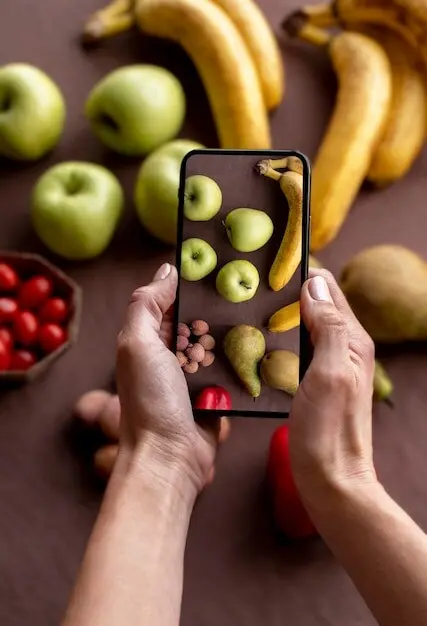
Step into a home where your surroundings quietly coach better meals. Today we explore behavioral design for healthier eating through meal prep and pantry layout, translating science into joyful routines. Expect practical nudges, vivid examples, and small changes that compound. Bring your questions, share before-and-after photos, and subscribe for weekly experiments that keep momentum steady, supportive, and delicious.

Choice Architecture at Home

Shape decisions before hunger shouts. Arrange space so the healthy option is obvious, reachable, and attractive, while indulgences require extra steps. We will borrow from choice architecture, commitment devices, and visual salience to transform cabinets and counters into quiet guides. Try, iterate, then tell us what surprised you most, so others can learn from your layout wins.

Eye-Level Wins

Place produce, prepped grains, and lean proteins where eyes land first; research shows eye-level placement boosts selection rates dramatically. Swap opaque boxes for clear bins, face labels outward, and keep a bright bowl of fruit centered. Post a picture and tag us when your breakfast habits shift without willpower strain.

Friction for Temptations

Put sweets on the highest shelf, inside an opaque container, behind a step stool, so a tiny delay cools impulse. Pre-portion treats into small bags, move the candy jar off the counter, and stash nuts in smaller jars. Share which tiny barrier worked best in your kitchen today.
Batch Once, Eat All Week

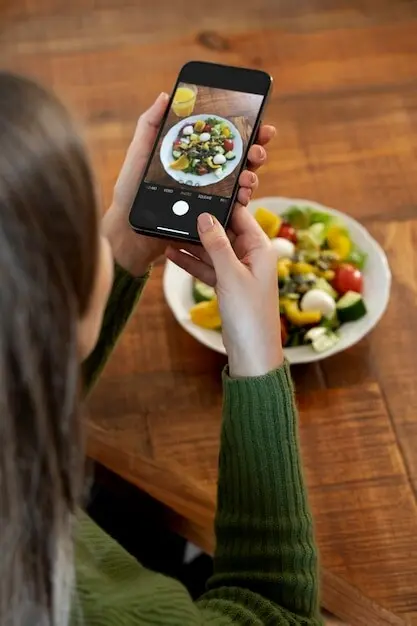
Roast trays of vegetables, cook hearty grains, simmer a versatile bean pot, and grill a protein. Store in shallow containers for quick cooling and reliable safety. Rotate sauces to keep variety high. Post your five-day lineup, and we'll feature standout combos that balance color, fiber, and satisfaction.

Cue-Based Containers

Use clear glass containers with day-of-week labels and color-coded lids that signal breakfast, lunch, or snacks. Place tomorrow's options on the front edge of the shelf. When you open the fridge at night, the visual plan greets you, reducing doubts and late scrolling for takeout.

Pre-Commitment Schedules

Block recurring prep sessions on your calendar, align them with grocery deliveries, and invite a friend on video for shared accountability. Keep a freezer buffer of emergency meals. If life interrupts, shift, don't skip. Comment with your go-to backup dinner that reliably prevents a doorbell burger.
Pantry Layout That Tells a Story
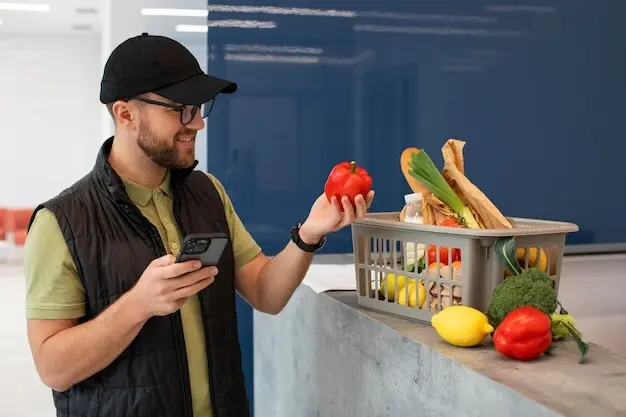
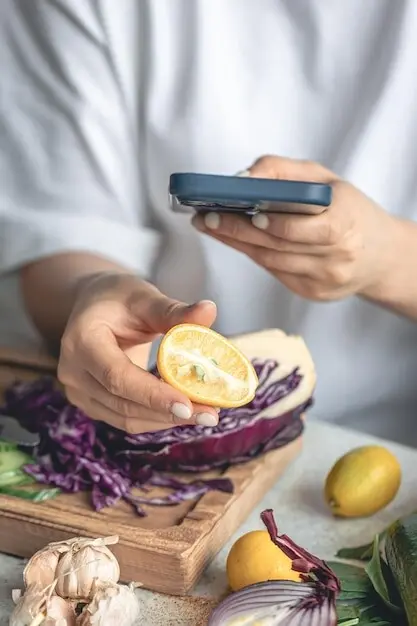
A pantry can whisper directions. Group foods by meal moments, feature whole ingredients, and reserve hard-to-reach spaces for occasional indulgences. Clear containers, honest labels, and color cues reduce ambiguity. Send us a snapshot of your shelf transformation and the single change that mattered more than you expected.

Morning Cue Stacks

Place oats, cinnamon, and a measuring scoop beside the kettle, with your favorite mug ready. Set the blender base on the counter only on smoothie days. Stack cues to reduce friction. Share a photo of your arrangement that quietly guaranteed breakfast happened before emails.

Tiny Rewards, Big Momentum

Pair healthy routines with immediate, feel-good rewards: a playlist you love, a sunny seat, or a two-minute stretch. Use a visible sticker chart for adults, too. Dopamine cares about timing. Comment with the small celebration that kept your meal prep habit alive all month.

Reset Rituals

Each evening, run a two-minute reset: wash greens, refill the water carafe, and set tomorrow’s fruit front and center. A tidy, ready stage reduces morning bargaining. Post your fastest reset checklist, and invite a friend to try it with you tonight.

Habit Loops Anchored in the Kitchen

Habits stick when cues, routines, and rewards meet in the same physical spots. Use sightlines, sounds, and textures to anchor helpful patterns. Celebrate immediately after the action. Turn counters into reliable runways for small healthy wins. Tell us which cue made the biggest, most surprising difference this week.

Family and Roommate Dynamics

Shared spaces can amplify good intentions or sabotage them. Align norms, agree on visibility rules, and make collective commitments playful rather than punitive. Designate kid-friendly heights for fruit, adult-only shelves for treats, and mutual signals for low-inventory items. Leave advice in the comments for households navigating different preferences.

Shared Visibility Rules

Adopt an eye-line policy: wholesome items live center-front; indulgences hide high or low. Use a whiteboard for communal restock notes. Keep water front-facing and flavored seltzer cold. Report back on the single rule that ended most snack disputes in your family or roommate group.

Snack Democracy

Create a weekly ballot for special snacks, budget a finite number, and store them in a labeled bin with specified days. Scarcity clarifies choices and prevents drift. Share your ballot template, plus the compromise that kept peace while steering everyone toward more balanced everyday options.

Positive Peer Signals

Make the visible choice the proud one: a water carafe on the table, a fruit bowl by the door, and a shared recipe board. Snap victories, not bodies. Social proof nudges gently. Invite readers to borrow your signal ideas and report their ripple effects.

Tracking Without Obsession
Numbers can inform without dominating dinner. Track environment actions, not just calories: refilled produce bins, cooked grains, washed herbs, and visible water. Use gentle dashboards and celebrate consistency. Share a photo of your board and the small metric that genuinely changed your weekday choices.
Xarivirodarilorotavo
Privacy Overview

This website uses cookies so that we can provide you with the best user experience possible. Cookie information is stored in your browser and performs functions such as recognising you when you return to our website and helping our team to understand which sections of the website you find most interesting and useful.